
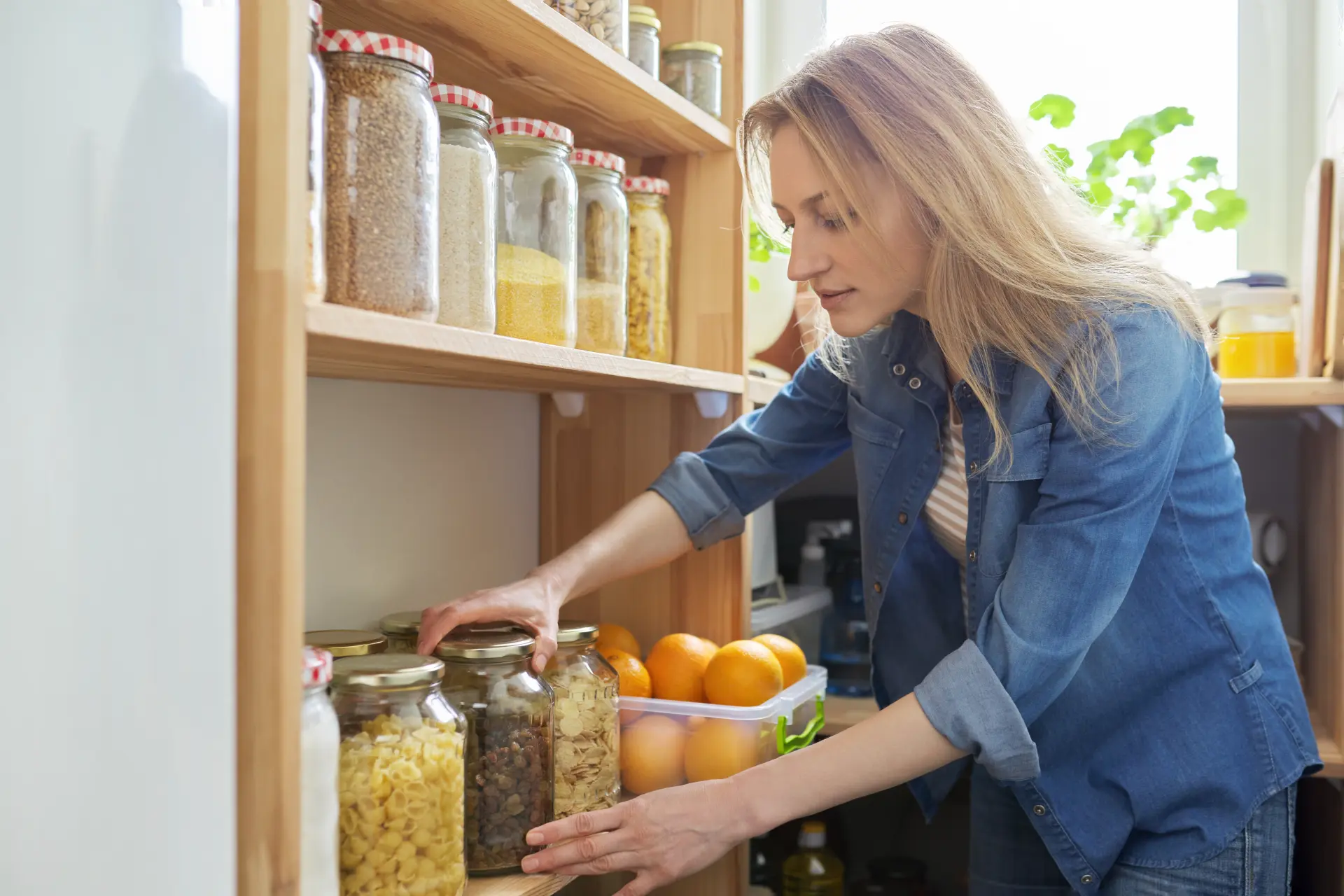
If the year 2020 has taught us anything, that is that being prepared counts. And while most of us are starting to forget about lockdowns and limited out-of-home activities, governments across the world, from Europe to Asia and even the US, have started to advise their citizens to be prepared for potential disruptions.
This doesn’t mean that anything bad is guaranteed to happen, but at the same time, it doesn’t mean it won’t. And as long as you can prepare a bit in advance with some kitchen essentials that will provide some safety and peace of mind no matter what, why not do it?
Today, I am here to help you keep everything under control by sharing 27 foods you must always have in your kitchen. Have all these, and you’ll be able to sleep much better at night!

Stockpiling tons of food is not necessarily a must, unless you really want to get into that territory. But just a few items that are very versatile and have a long shelf life can prove to be very helpful in a plethora of situations.
This is why it is vital that we keep our kitchens stocked with these staples and create a solid inventory so we can cater to the different needs or cravings in our household.
Here is a list of simple, to-go food items that won’t break the bank but will give you a good base whenever the urge to go master chef mode strikes.
(We have all details and whys for each food on the list, but if you’re in a hurry and just want to see the items without getting into the details, we’ve got you covered!)
- Honey
- Salt
- Dark Chocolate and Cocoa
- Yogurt
- Minced Meat or Tofu
- Milk
- Frozen Fruit
- Dried Herbs
- Garlic
- Onions
- Beans
- Quinoa
- Rice
- Oatmeal
- Flour
- Pasta
- Eggs
- Apples
- Fresh Herbs
- Lemons
- Olive Oil
- Vinegar
- Tomato Paste
- Mustard
- Tuna
- Canned Tomatoes
- Broth
Now let’s get a bit more in-depth and see why my recommended food items above should always be in your kitchen or pantry.
Flavor Staples
1. Honey

This natural sweetener is not only versatile, but it keeps well when stored in dry, well-sealed bottles.
Archaeologists have pulled still-edible honey from ancient Egyptian tombs – it lasts that well! If your jar crystallizes, nothing is wrong: a warm-water bath melts the crystals back.
I use it as a substitute for sugar in baking, in certain drinks, and as a base for marinades, dressings, and sauces, where its floral notes do things plain sugar never will.
One important rule: Never give honey to a baby under 12 months. Infant botulism is rare, but this is the one pantry item with a real age limit.
2. Salt
No pantry is complete without it. Salt is the staple for enhanced taste, and physically it pulls its weight too: essential for nutrient absorption, fluid regulation, muscle function, and the nerve signaling that runs the whole operation.
You have a choice of rock, kosher, Himalayan pink, iodized, and even spiced salt. What you keep will depend greatly on need and availability – but you must always have at least some salt in your kitchen.
3. Dark Chocolate and Cocoa
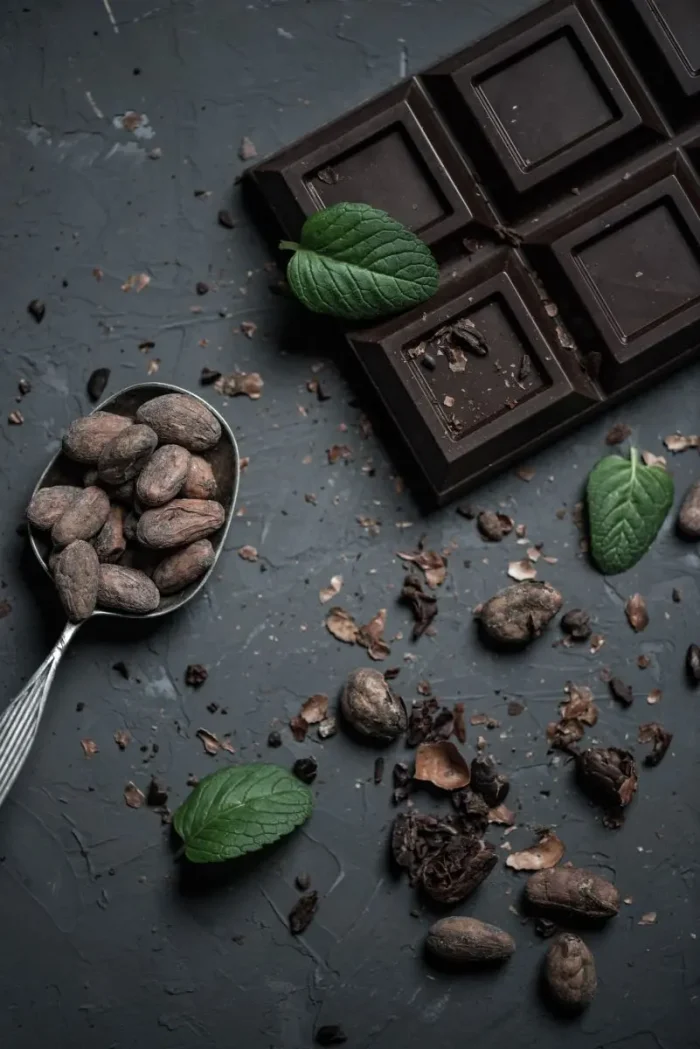
Depending on accessibility and preference, add some fun to your pantry staples to have something on hand to satisfy any sweet tooth or bakery cravings.
While there are advocates for the numerous benefits of cacao, dark chocolate is also an excellent option to satisfy that food lust for chocolate. You can munch on them, use them for baking, sauces, topping, and add into you drinks.
Shelf life is a bonus here. Dark chocolate holds for about two years in a cool, dark drawer, cocoa for longer. That whitish film on old chocolate is just fat or sugar blooming to the surface and it’s safe to eat.
Fridge and Freezer Friends
4. Yogurt

Yogurt is your probiotic must-have in the fridge for its health benefits as well as the variety of dishes that it can be combined with, from sweet to savory.
Most of us eat this cold delight straight up or with a slice of fruit. Others combine it with other condiments to create dressings and sauces.
Many bakers have also opted for yoghurt to make cakes lighter and fluffier. It is also a yummy addition to meat marinades and can even be added to rice dishes popular in Middle Eastern and Indian cuisines.
5. Minced Meat or Tofu
It is always handy to have a bit of these protein and flavor punchers in your freezer. It all depends on your dietary needs and preferences.
Tofu can be stored in the freezer with proper care during thawing to ensure that taste and texture are preserved. They are a great addition to stir-fry, toppings, or steamed dishes.
Defrosting is easier, and you don’t have to manhandle portions of meat with a cleaver as well!
6. Milk
As a straight-up beverage or drink enhancer, or an ingredient in a dish or pastry, milk is an important staple to have in your pantry. The range is wide, from full-fat dairy and skim to soy, oat, and almond.
If you want to make sure that it lasts longer than your fresh milk, go for the UHT option. Ultra-pasteurized milk, the shelf-stable kind, lives in the pantry for months unopened. Once you open it, it behaves like fresh milk, so into the fridge it goes.
And if you really want to cover this area flawlessly, grab a bag of powdered milk, too – it lasts a lot longer.
7. Frozen Fruit
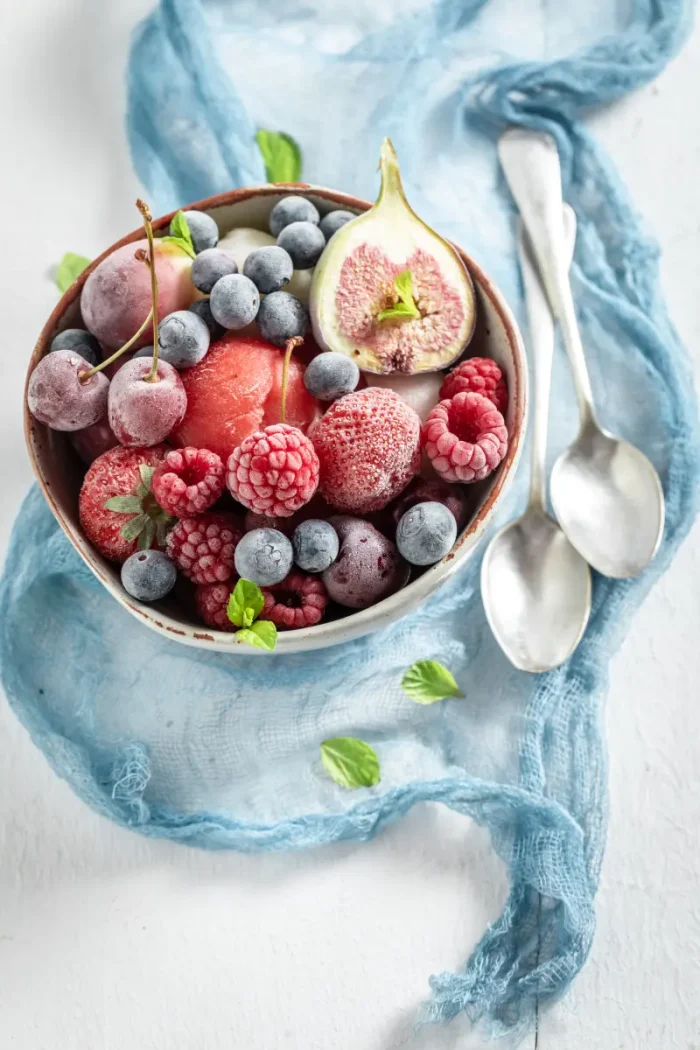
Freezing fruits in season will be a boon when you have the desire for something sweet and fresh. Simply defrost and whip up a smoothie.
You can also use properly defrosted frozen fruit to make jams and syrups. Or. Simply eat it straight and get your fruity fix.
Note: If you enjoy lists of food as much as I do, I am sure you will love reading my previous one: Best Foods to Take on a Pontoon Boat.
Spicing It Up
8. Dried Herbs
For your personalized selection of dried herbs, consider what recipes you incorporate in your meal planning and buy accordingly. Ditch the pre-mixed herbs and get the basics.
A well-rounded herb list would have thyme, rosemary, cinnamon, ginger, coriander, cumin, curry, onion and garlic powder, anise, nutmeg, basil, oregano, paprika, cayenne, black and white pepper.
9. Garlic

This is another flavor staple that might cause quite a bit of controversy. You either love it or you hate it. Garlic morphed from being just a flavor enhancer to become a healthy addition to drinks and herbal concoctions.
So, even if you aren’t exactly in love with garlic, have a few heads lying around. It might come in handy (and we are not just talking about vampires)!
Sure, it might be difficult to get the garlic smell out of your containers, but it’s totally worth it!
10. Onions
Garlic’s partner in crime. The yellow onion is the workhorse of home cooking: soups, stews, sauces, and the skillet that starts half the dinners in the world. Of course, you can use any type of onion you like (white, red, shallot, etc).
Storage is simple but strict: cool, dry, dark, ventilated, and away from your potatoes, because those two bring out the worst in each other and both spoil faster when stored together.
I keep yellows for cooking, reds for anything raw or pickled, and whites for dishes where I want the flavor sharp and clean.
The Granary
11. Beans
One of the best sources of fiber as well as protein, beans can stay in your pantry for a long time. Yes, there are canned options, and you can have some of them, but the best is to have the dry variety.
Stock up on all kinds of beans – chickpeas, black-eyed peas, fava, mung, kidney, red beans – the list goes on!
With beans, you can make everything from yummy desserts and tasty fillings to comfort-bearing hummus, savory falafels, and soups.
They are a good addition to salads, making them complete meals. Just remember to store them in dry, sealed containers. And please label them if they come unnamed!
You don’t want to be staring at a bag of beans wondering what kind they are. Trust me, they don’t reply when asked.
12. Quinoa
Quinoa earned its popularity honestly: high in protein, gluten-free, rich in fiber and minerals, and ready in about fifteen minutes.
I use it the way I use rice, as a base or a stand-in for grains, and it slides into meat and vegetable dishes for easy, healthy one-pot meals.
It can also be added to meat and vegetable dishes to create easy, healthy, one-pot meals. And if you’re looking for ideas, check out my balsamic glazed salmon with quinoa & butternut squash recipe.
13. Rice

This important source of complex carbohydrates is a staple in many cuisines. The range of recipes that this grain can be prepared in is endless.
It is always handy to have some in case you prefer this fluffy blank slate to pair with your other dishes.
14. Oatmeal
Oatmeal has been elevated from being the superstar breakfast staple to being key in making pastries and breads healthier. It’s a great fill-er-up staple that can be eaten sweet, and yes, savory.
Rolled oats are my default: five minutes to cook, and they work in cookies, crumbles, and overnight jars. Steel-cut take longer but reward you with texture that chews back. Instant oats I skip; they’re steamed and cut so fine that they turn to glue.
And when a recipe calls for oat flour, the jar already has you covered: blitz rolled oats in the blender, and that’s oat flour.
It can be added to some clear soup and is quite a hearty option for a quick meal. It’s quite easy to prepare and add on so having it in your food inventory is quite helpful.
15. Flour
This versatile ingredient made from grinded raw grains is useful for baking, and thickening sauces and gravies. There are many types of flour to choose from depending on what you use more often.
Just take care to transfer opened flour packages in dry, airtight containers to avoid spoilage.
16. Pasta
A packet or two of easy-to-boil pasta of your choice is always useful if you want to make some quick comfort food.
You can go simply with a drizzle of olive oil and some parmesan and thyme – to something that needs more effort like a lasagna.
Whole-wheat pasta answers to the same law as whole-wheat flour and brown rice: the oils age it faster. Regular dried pasta is the long-haul choice.
Keeping It Fresh
17. Eggs
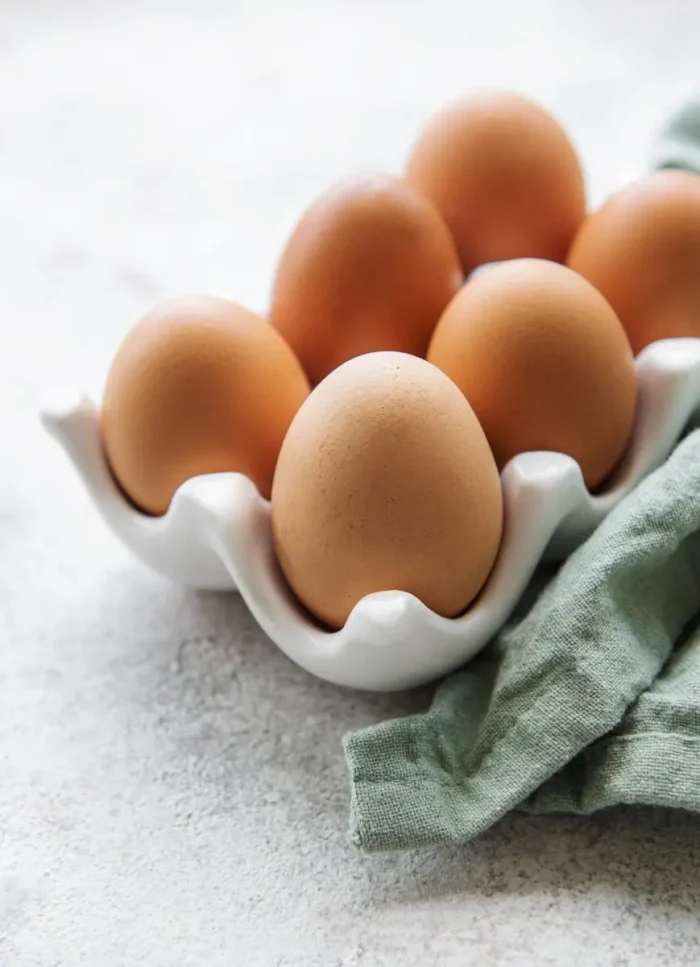
Boiled, poached, fried, or any way – the egg in itself is a meal. Now let’s not get started with the countless ways we can use it in our dishes.
Unless you’re allergic, this one belongs in your fridge. Store eggs in the main body of the fridge, not the door, where the temperature swings every time somebody grabs the milk.
Kept properly cold, they’re good for three to five weeks, and buying only amounts you will consume is the golden rule of thumb.
18. Apples
Apples keep well, cook well, and stay reasonably priced and easy to find, which is the whole trifecta for a fresh staple. Grab one and munch, or slide them into pastries and sauces.
On the counter they hold a couple of weeks. In the crisper drawer, a month or two, and the colder it stays the better they behave.
One warning from the storage wars we’ve been collecting since the onion section: apples pump out ethylene gas and rush everything around them toward ripening. Keep them away from potatoes and from anything you want to hold.
19. Fresh Herbs
While we have our stock of dried herbs, fresh herbs are still a welcome addition to our meals. They are great add-ons to pasta and potato dishes, as well as soups and, for some, even in sandwiches.
Have a sprig of something fresh on hand, like rosemary, thyme, basil, coriander, dill, or parsley.
20. Lemons

Lemons are the refresh button of the whole kitchen. Packed with vitamin C, they sharpen meat marinades, and that tangy edge balances anything leaning oily or rich.
Plenty of cuisines go further and preserve lemons in salt, serving them whole as appetizers, peels and all.
If you feel like you can’t consume your lemon stash, simply squeeze out the juice and freeze it in an ice cube tray. You can pop them out, store them in a watertight plastic bag, and put them back into the freezer!
Bottled Up
21. Olive Oil
This healthy food option is one staple many households must consider having, not only for benefits to the body, but also for how tasty this can make our dishes.
It is used mostly for salad dressings and pastas. But many have come to appreciate how a drizzle of olive oil plus a sprinkling of herbs can jazz up a boring piece of bread.
22. Vinegar
Most salad dressings require it, and you can even use it to clean your greasy kitchen cabinets if needed.
Vinegar is extremely versatile and a must-have food in your kitchen, all year long.
23. Tomato Paste
When we want a certain umami taste but do not dare reach for that MSG, a spoonful of tomato paste makes a whole difference in your recipes. You can also use it for dipping or basting sauces.
If you are not a heavy user of tomato paste, buy those in small packets so you don’t have to store them too long in the fridge. For this lycopene-rich ingredient, a little goes a long way in terms of flavor.
24. Mustard

This condiment packs a punch with its distinctive flavor that you simply cannot substitute easily. It is great for sandwiches, pairing well with meats and cheeses as well as other bread spreads.
Mustard is a favorite for marinades, dressings, and sauces. It is also part of a secret mix for breading and coating fried chicken or pork fillets.
Not only does this condiment make food taste great, it is also touted to have anti-cancer elements and immune-boosting properties.
In the Can
25. Tuna
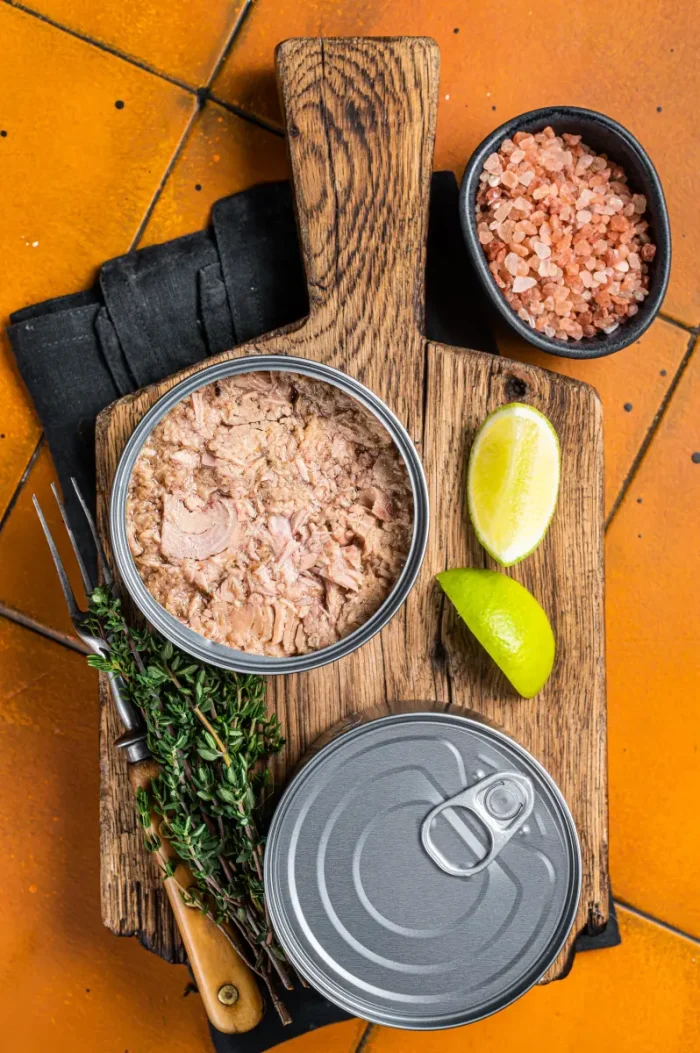
Craving seafood? Popping open a can of tuna is a quick and tasty fix. Eat it straight, spread it on a sandwich, or throw it at pizza, salads, rice bowls, and tuna patties.
It’s a great source of high-quality protein and omega-3 fatty acids, which is a lot of nutrition for a can that waits patiently in the pantry for years.
The one thing to know before you buy in bulk: mercury, which varies by type. Canned light tuna, usually skipjack, runs lower in mercury than the pricier white albacore.
If you’re pregnant or feeding little kids, favor the light cans and treat albacore as an occasional thing. For most adults, a couple of tuna lunches a week is considered generally safe.
26. Canned Tomatoes
Tomato paste, three sections up, is already covered – so why have the canned ones, too? I’m glad you asked!
Jokes aside, a can of whole peeled tomatoes is the fastest route to a real dinner I know: a 20-minute marinara in the time it takes the pasta water to boil. Plus, plenty of other options.
The insider trick is buying whole instead of diced. Diced tomatoes are treated with calcium chloride so they hold their cube shape, which is exactly wrong when you want them to melt into a sauce. Whole tomatoes break down the way you want on command, and you can always crush them by hand, which is fun in a way I can’t defend.
27. Broth
Many times, we find ourselves unable to make proper broth, so the canned variety is a great ingredient to have in your pantry.
You will be ready for stews and soups, gravies and sauces. Broth is also great for steaming and as a substitute for oil in stir-fries.
Always try to purchase low-sodium varieties and check the ingredients to ensure they fit your diet needs and preferences.
More about the foods you need to have at home at all times
Every household has its own unique needs. Adjust and modify the list to suit the specific needs of your culinary and dietary needs.
A few rules keep the whole system working as you build it:
- First in, first out (or FIFO). This basically means that new purchases go behind old ones, and you always eat everything before foods expire.
- Date everything you move to a different storage container or freeze, and check expiry dates on preserved food while you shop.
- Plan your menus around the staples you actually use, not the ones a magazine says you should own.
- Bought a one-of-a-kind staple you rarely touch? Schedule a dish for it now and then, then decide if it gets into the rotation or not.
- Keep family allergies in mind on every canned and preserved label.
If you’re standing in an empty kitchen wondering where to start, begin with ten: salt, olive oil, onions, garlic, rice, pasta, eggs, beans, canned tomatoes, and one item purely for joy
Don’t be overwhelmed by the list. Build your pantry not only to be ready for a lockdown or emergency, but to increase the versatility of your kitchen prep.
This will also encourage you to become acquainted with the many more affordable, healthier, and easier-to-prepare alternatives to dining out or ordering takeaway food.